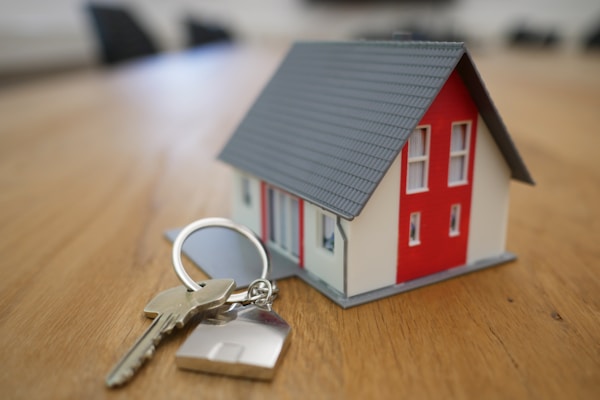
How Much Home Can You Actually Afford?
The traditional rule: your mortgage payment (including taxes and insurance) should be under 28% of gross income. On $80,000/year, that’s $1,867/month max. But in 2026, many financial advisors recommend keeping it under 25% for financial flexibility. Factor in property taxes (1-2% of home value annually), homeowner’s insurance, HOA fees, and maintenance (budget 1% of home value yearly).
Down Payment Options in 2026
You don’t need 20% down anymore. FHA loans require just 3.5% down. Conventional loans through Fannie Mae and Freddie Mac offer 3% down options. VA loans (for veterans) require zero down. USDA loans for rural areas also require zero down. First-time buyer programs in most states offer down payment assistance of $5,000-$25,000. Research your state’s housing finance agency for programs.
Getting Pre-Approved (Not Pre-Qualified)
Pre-qualification is a rough estimate. Pre-approval means a lender has verified your income, credit, and assets — and will commit to lending you a specific amount. In the competitive 2026 market, sellers won’t even look at offers without pre-approval. Shop rates from at least 3 lenders: your bank, a credit union, and an online lender. A 0.25% rate difference on $350,000 saves $16,000 over 30 years.
Hidden Costs First-Time Buyers Miss
Closing costs run 2-5% of the home price ($7,000-$17,500 on a $350,000 home). Then there’s the home inspection ($300-$500), appraisal ($300-$600), moving costs ($1,500-$5,000), and immediate repairs/upgrades. Budget an extra $10,000-$15,000 beyond your down payment. Also, your first year utility bills will likely surprise you — ask the seller for 12 months of utility history.
Should You Buy or Keep Renting in 2026?
The buy vs rent decision depends on: how long you’ll stay (buy only if 5+ years), local price-to-rent ratio (under 15 favors buying), your financial stability, and mortgage rates (currently 6-7% in 2026). Use the NYT Rent vs Buy calculator for your specific situation. Don’t buy just because people say renting is ‘throwing money away’ — sometimes renting and investing the difference builds more wealth.